
A Guide to Loading Dock Equipment

For warehouse managers and logistics professionals, the loading dock is where efficiency either begins or breaks down. It’s a high-traffic, high-pressure area that demands the right tools and equipment to keep people safe, goods protected, and schedules on track. Among the most critical pieces of loading dock equipment are dock levelers and dock seals. Though often overlooked, these components play a vital role in ensuring smooth, efficient operations and long-term cost savings.
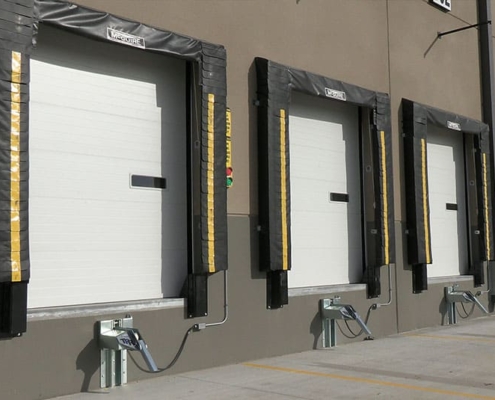
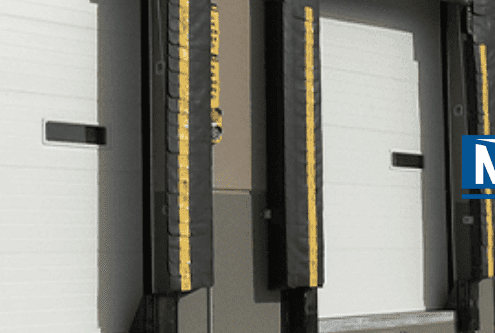
This guide breaks down the key functions, benefits, and best practices associated with these essential tools.

What Are Dock Levelers and Dock Seals?

Dock levelers are mechanical or hydraulic devices installed at the edge of a loading dock. Their purpose is simple yet crucial: they bridge the gap between the dock floor and the trailer bed, which often varies in height. By compensating for these differences, dock levelers allow for safe and smooth movement of forklifts, pallet jacks, and personnel.

Dock seals, on the other hand, are compressible foam or fabric enclosures mounted around the dock door. When a truck backs in, the seal compresses around the trailer to form a protective barrier. This prevents air exchange, weather infiltration, and the entry of debris or pests during the loading and unloading process.

Both components may appear passive, but their impact on daily warehouse function is anything but.

The Role of Dock Levelers in Safe and Efficient Loading

A dock leveler acts as a ramp, creating a seamless transition between the dock and the truck. This is especially important when trailer bed heights fluctuate depending on the truck type, weight distribution, or loading configuration.

Without a dock leveler, crews are forced to work with makeshift solutions like portable plates or ramps, which are more prone to accidents and damage. Dock levelers, especially those from trusted manufacturers like McGuire, are engineered for durability, performance, and safety. They support heavy loads, reduce the risk of equipment tipping, and help maintain a faster workflow.

The benefits ripple outward: faster turnaround times, fewer workplace injuries, and less wear on forklifts and pallets.

Why Dock Seals Matter More Than You Think

Dock seals create a tight envelope around the back of a truck trailer. At first glance, that may seem like a small comfort feature, but the benefits are substantial.

A properly sealed dock helps regulate temperature inside the warehouse, preserving energy and maintaining product integrity, especially in climate-controlled facilities. Dock seals also reduce the intrusion of rain, snow, dust, insects, and other contaminants that can compromise goods and indoor air quality.

This protection adds up to fewer damaged shipments, a cleaner facility, and significant energy savings, particularly in regions where climate control is non-negotiable.

Operational Benefits of Dock Levelers and Dock Seals

Integrating quality loading dock equipment into your facility provides multiple layers of ROI. Here are a few key operational advantages:

  • Improved safety: Stable loading surfaces and weather-sealed docks reduce slips, falls, and equipment mishaps.
  • Increased efficiency: Equipment like McGuire dock levelers allow for quicker transitions between loading bays and trailers.
  • Product protection: Seals prevent weather-related damage and keep airborne contaminants away from inventory.
  • Energy savings: Reduced air exchange means your HVAC systems don’t work as hard, lowering utility costs.
  • Less equipment damage: Smooth transitions extend the life of your forklifts, wheels, and pallets.

For busy warehouse environments, these benefits compound quickly into measurable time and cost savings.

Types of Dock Levelers and Seals

Selecting the right loading dock equipment depends on your specific operational needs. Here’s a closer look at some common options:

Dock Leveler Types

  • Mechanical Dock Levelers: Spring-loaded and manually operated, best for moderate traffic and load volumes.
  • Hydraulic Dock Levelers: Powered by a push-button system, ideal for heavy loads, high throughput, and minimal manual effort.
  • Air-Powered Dock Levelers: Use airbag systems to lift and lower the platform, offering a lower-maintenance alternative to hydraulics.

Dock Seal Types

  • Compression Seals: Foam-filled pads that compress around the trailer, forming a snug seal.
  • Inflatable Seals: Air-filled cushions that expand to form a barrier, ideal for varying trailer sizes.
  • Curtain-Style Seals: Flexible and versatile, commonly used for trailers with swing doors or specialty configurations.

Each has its strengths, and your best fit will depend on traffic volume, vehicle variety, climate considerations, and energy management goals.

Your warehouse loading dock is crucial for running your business. Find out more about your loading dock in this blog.

Maintenance Tips to Extend Equipment Life

Just like any piece of industrial equipment, dock levelers and dock seals require proper maintenance to deliver long-term value.

  • Inspect regularly for signs of wear, misalignment, or mechanical issues.
  • Clean debris from seals and moving parts to prevent obstruction or damage.
  • Lubricate hinges and mechanical joints to keep levelers operating smoothly.
  • Replace worn seals before they lose their compression ability and become ineffective.
  • Schedule professional service at regular intervals to catch and correct small issues before they escalate.

Proactive maintenance minimizes downtime and ensures that your dock equipment performs reliably, even under heavy use.

Small Equipment, Big Impact

Dock levelers and seals may not command attention like forklifts or automation systems, but their influence on operational flow, safety, and cost containment is significant. High-quality loading dock equipment, like McGuire dock levelers and seals, is purpose-built to withstand the demands of modern warehouse environments. These solutions deliver durability, precision, and energy efficiency where it counts most: the critical point where goods enter and exit your facility.

At HTX Material Handling, we understand that reliable dock performance starts with the right infrastructure. That’s why we partner with McGuire to offer a full line of loading dock solutions that improve productivity, safeguard shipments, and minimize risks for your team. Whether you’re building a new facility or upgrading an outdated system, our team will help you design and implement dock solutions that align with your daily operational demands. Contact us today to get started.

More Like This