Truck-Mounted Forklift vs. Traditional Machines: Which Is Right for You?

Choosing the right forklift can make or break your operation’s efficiency. Whether you’re running a warehouse, managing a construction site, or handling last-mile deliveries, the type of forklift you choose matters.

In this blog, we help you compare a truck-mounted forklift with traditional forklift machines, highlighting their unique benefits, limitations, and where each fits best. By the end, you’ll have the clarity to make a confident purchasing or forklift rental decision.

Understanding Forklift Basics

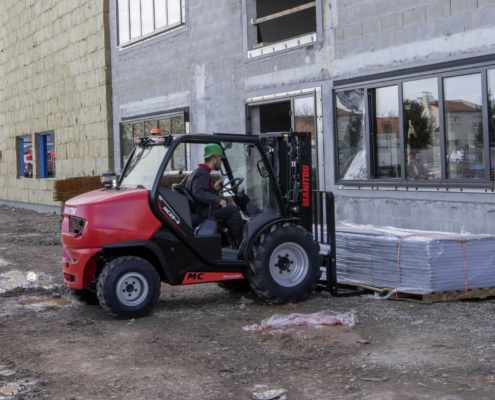
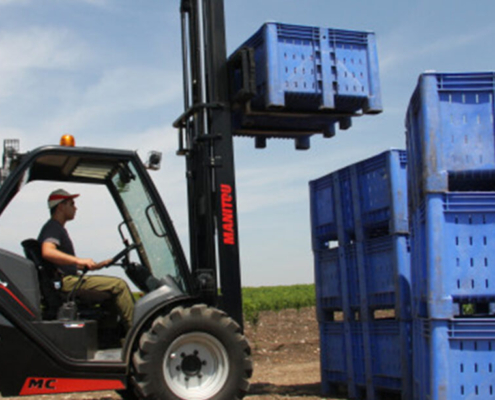
A truck-mounted forklift, also sometimes referred to as a piggy-back forklift, is a compact unit designed to be transported on the rear of a truck trailer. Once detached, it’s ready to operate in minutes, allowing for quick and independent loading or unloading at virtually any location, even in environments where no equipment is present. This self-sufficiency makes them ideal for delivery-focused operations or businesses working in remote areas.

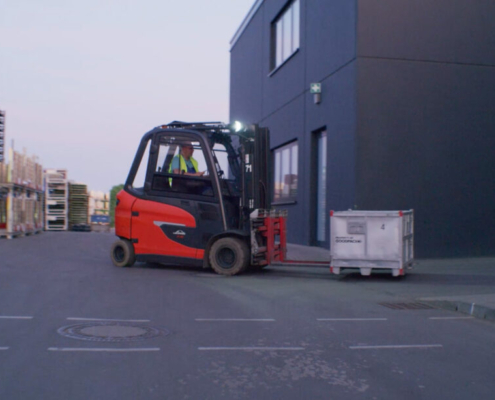
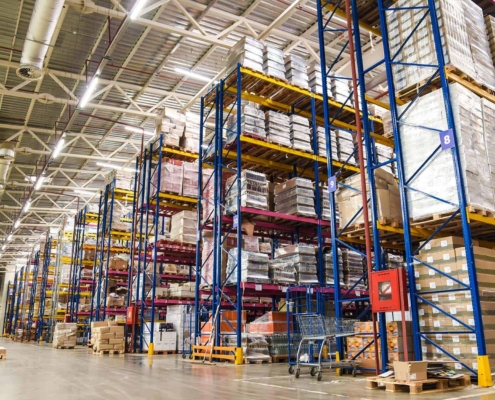
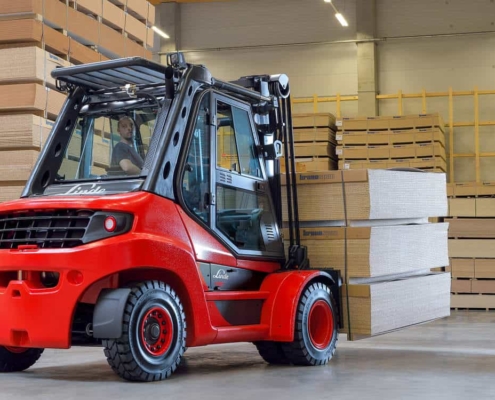
By contrast, traditional forklifts are standalone machines that require separate transportation to job sites. These are the standard choice in warehouses, manufacturing facilities, shipping yards, and large industrial operations. Built with higher lifting capacities and a range of attachments, traditional forklifts excel in structured, high-volume environments.

Comparing Forklift Design and Capabilities

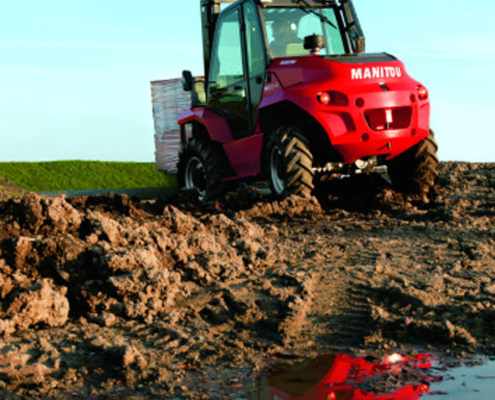
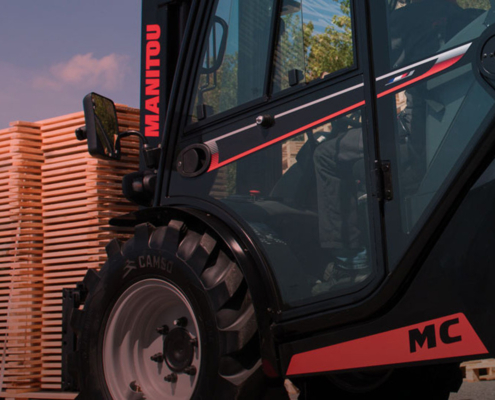
The most noticeable difference lies in mobility. Truck-mounted forklifts offer unmatched portability, traveling with the load and eliminating the need for dedicated site equipment. They are generally more compact and lighter than traditional machines, but their lift capacity is usually limited to around 2,500 to 5,500 pounds. This makes them best suited for moderate loads and uneven terrain.

Traditional forklifts, on the other hand, are designed for demanding tasks. With lift capacities that can exceed 100,000 pounds and a wide range of configurations, they bring power and versatility to settings that demand repeated, heavy-duty lifting. However, their transport requirements and larger footprint may be limiting for smaller or offsite operations.

Weighing the Pros and Cons of Each Forklift Type

Both truck-mounted and traditional forklifts bring unique strengths and challenges to the table. Understanding their trade-offs can help guide your selection process.

Truck-Mounted Forklift Pros

  • Agile and quick to deploy from delivery vehicles.
  • Reduces downtime and the need for on-site equipment.
  • Helps minimize labor costs by enabling drivers to handle loading and unloading.

Truck-Mounted Forklift Cons

  • Lower lift capacity limits use in heavy-duty applications.
  • Greater exposure to the elements can lead to increased maintenance.

Traditional Forklift Pros

  • High lift capacity supports demanding, repetitive lifting.
  • Offers strong stability and precision, especially with large or stacked loads.
  • Customizable with various attachments and models for specific industrial needs.

Traditional Forklift Cons

  • Requires separate transport to job sites.
  • A larger footprint may not suit every workspace.
  • Less suitable for highly mobile or remote operations. 

Choosing the Right Tool for the Job

When deciding between a truck-mounted forklift and a traditional machine, it’s important to evaluate your specific operational needs and working environment. If your business frequently involves deliveries to locations without onsite loading equipment, such as farms, remote construction sites, or temporary event venues, a truck-mounted forklift offers mobility and independence that can keep projects moving without delay.

On the other hand, if you’re based in a fixed facility that requires consistent handling of heavy volumes, a traditional forklift is the more powerful and capable option. These machines are designed for high lift capacities and can be outfitted for specialized tasks like navigating narrow aisles or stacking bulky goods.

In some cases, using both types strategically can yield the best results: truck-mounted units for remote or mobile tasks, and traditional forklifts for warehouse operations. By aligning your equipment with the environments and loads you manage most often, you’ll set your team up for improved productivity and long-term ROI.

Looking for a truck-mounted forklift that delivers performance, convenience, and reliability? Explore our line of Manitou forklifts designed for fast deployment, rugged terrain, and versatile lifting.

Budget and ROI Considerations

Cost plays a central role in this decision. Truck-mounted forklifts typically represent a lower upfront investment and offer excellent returns for delivery-based models by reducing unloading delays and minimizing the need for additional labor. Their quick deployment and compact design also help streamline logistics.

Traditional forklifts, while often requiring a higher investment or forklift rental commitment, bring long-term value in heavy-duty applications. Their durability, advanced control systems, and lifting capabilities make them essential in high-output environments, and they tend to offer a longer service lifespan when properly maintained.

For many businesses, forklift rental services offer a practical route to evaluate performance before committing to a purchase. Renting also enables greater flexibility for seasonal demand or project-based work.

Know Before You Lift

Every operational setup is different. Before making your choice, consider where and how often your team will use the forklift, the typical weight of your loads, how often the machine needs to travel, and whether the environment is structured or remote. The right equipment should simplify operations, increase uptime, and support your team’s productivity.

Delivering the Power to Choose the Right Machine

If you’re exploring forklift solutions that match your evolving needs, the HTX Material Handling team can help you find the right fit. Whether you’re looking to equip your fleet with truck-mounted forklifts for mobile operations or want the dependable power of a traditional machine, we offer both purchase and forklift rental options tailored to your goals.

Our forklift selection includes high-performance models from industry-leading brands designed to maximize uptime and minimize costly delays. With a commitment to safety, service, and operational excellence, we ensure each solution is backed by factory-trained technicians, responsive support, and genuine OEM parts. Your uptime is our priority, and our equipment is built to prove it.

Let’s move your business forward, one lift at a time. Reach out today to learn more from one of our experts.

More Like This

How To Choose The Right Automated Warehouse Solutions For Your Texas Facility
Rough Terrain Forklift Mc 25 4 St5
Rough Terrain Forklift Mud
Linde Guardian Side View 980x613
Warehouse Storage Solutions With Large Warehouse Shelves
The Top 5 Benefits of Forklifts for Retail Warehouses
Manitou Terrain Forklift In Action 980x613
Manitou Header Industry Forklifts Mc Application Wood
How to Create an Effective Forklift Fleet Management Strategy