Common Scissor Lift Uses: Where and When to Use Them Safely

Elevated work presents unique challenges, and the right equipment can make all the difference. For projects that require stable vertical access, scissor lifts offer a reliable and efficient solution. Let’s explore common scissor lift uses and how to ensure they’re used safely in various environments.

Elevated work presents unique challenges, and the right equipment can make all the difference. For projects that require stable vertical access, scissor lifts offer a reliable and efficient solution. Let’s explore common scissor lift uses and how to ensure they’re used safely in various environments.

What Is a Scissor Lift?

A scissor lift is a type of aerial work platform designed to raise workers and materials vertically using crisscrossing support beams that expand and contract. Unlike boom lifts, scissor lifts only move up and down, making them ideal for jobs that require elevation but not outward reach. Scissor lifts are widely used in indoor and outdoor environments and offer a safe alternative to ladders or scaffolding when used correctly.

Manitou lifts offer high-performance scissor lift models equipped with rugged platforms, advanced safety features, and reliable lift mechanisms that support a range of commercial and industrial applications. Whether you’re using Manitou equipment in a warehouse or on a construction site, proper aerial lift safety practices are essential to minimize risk and ensure successful operation.

Identifying The Most Common Scissor Lift Use Cases

Scissor lifts are used across multiple industries where consistent vertical access is a must. Below are some of the most common applications for these lifts, along with safety best practices to follow at each job site.

Indoor Maintenance and Electrical Work

Scissor lifts are frequently used inside commercial buildings for HVAC servicing, electrical wiring, and lighting replacement. Their compact design makes them suitable for narrow aisles or tight corners in offices, schools, or industrial facilities. Always ensure the lift fits through doorways and doesn’t exceed indoor height or weight restrictions. Use non-marking tires and verify that the floor can support the load.

Outdoor Construction and Siding Jobs

Construction sites often use scissor lifts for tasks like siding installation, framing, and masonry on multi-story buildings. Rough-terrain models with reinforced tires and sturdy platforms provide the elevation and stability needed on uneven surfaces. When working on sloped or rugged ground, use an outdoor-rated lift and confirm weather conditions won’t impact stability or visibility.

Warehouse Stock Picking and Inventory Management

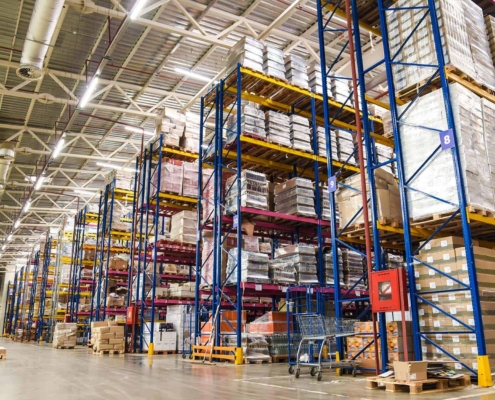
In warehousing environments, scissor lifts help workers access high storage racks, perform audits, and install inventory management systems. Their vertical reach allows teams to maintain organization while minimizing physical strain. Train operators to handle materials securely while elevated and ensure the lift is parked on even flooring to prevent tipping.

Event Setup and Lighting Rigging

Event venues and production crews rely on scissor lifts to hang lights, set up sound systems, and adjust overhead signage. These lifts offer the precision and elevation needed to manage detailed setup tasks. Confirm that the lift can handle the combined weight of workers and lighting equipment. Always use guardrails and wear proper PPE.

Cleaning and Painting at Height

For janitorial teams and facility painters, scissor lifts provide safe access to high walls, ceilings, and hard-to-reach areas. They’re especially useful in stadiums, auditoriums, and large office spaces. Always check the reach requirements for each project and avoid overextending the platform or using makeshift tools to gain extra height.

Explore HTX’s aerial lift rental and sales options to ensure safe, reliable elevation in any environment your work demands.

Essential Scissor Lift Safety Tips

Whether you’re renting a scissor lift for a short project or purchasing one for long-term use, safety must remain the top priority. Here are some key tips that apply across most industries and use cases.

Conduct a Site Assessment

Before using any scissor lift, it’s important to assess your surroundings. Check for uneven flooring, nearby obstacles, overhead hazards like wiring or beams, and restricted height areas. This preparation ensures that the lift is appropriate for the environment and won’t pose unexpected dangers once elevated. A thorough site assessment helps operators plan safer, more efficient lifting operations.

Verify Load Limits

Every scissor lift has a designated weight capacity, and exceeding that limit can lead to equipment failure or serious accidents. Make sure to account for the total combined weight of all workers, tools, and materials on the platform. Overloading reduces lift stability and compromises safety, especially when extended at full height or used on uneven surfaces.

Wear Fall Protection Gear

While most scissor lifts feature guardrails, using fall protection equipment like a harness and lanyard adds another layer of safety. This is particularly important when working at maximum elevation or in busy job sites where accidental bumps or movements are more likely. Wearing proper fall protection significantly reduces injury risk and supports OSHA safety compliance standards.

Follow Manufacturer Guidelines

Each lift model operates differently, which is why it’s essential to follow the manufacturer’s instructions and safety manual. This ensures operators understand the controls, capacity, maintenance requirements, and emergency protocols for that specific lift. For Manitou lifts, always review the operation manual and conduct routine safety checks before use to maintain proper functionality and reduce risks.

Maintain Clear Communication

Strong communication between lift operators and ground crew is key to safe and efficient use. Use two-way radios, hand signals, or designated spotters to relay information during lift operation. This is especially important in dynamic environments like construction sites or event setups, where multiple teams may be working simultaneously and clear direction helps avoid accidents or collisions.

Ensure Scissor Lift Safety With HTX Material Handling’s Expertise

Choosing the right scissor lift for your application—and knowing how to operate it safely—can make or break your project timeline. HTX Material Handling offers industry-leading support for businesses seeking scissor lift rental solutions, along with guidance on proper lift selection and usage. We proudly supply Manitou equipment, including scissor lifts designed for both indoor and outdoor environments. Whether you’re tackling facility maintenance or jobsite setup, our team helps you stay safe and productive at every elevation.

More Like This

How To Choose The Right Automated Warehouse Solutions For Your Texas Facility
Rough Terrain Forklift Mc 25 4 St5
Rough Terrain Forklift Mud
Linde Guardian Side View 980x613
Warehouse Storage Solutions With Large Warehouse Shelves
How To Create An Effective Forklift Fleet Management Strategy 2
The Top 5 Benefits of Forklifts for Retail Warehouses
Manitou Terrain Forklift In Action 980x613
Manitou Header Industry Forklifts Mc Application Wood