How to Choose the Right Automated Warehouse Solutions for Your Texas Facility

For mid-sized Texas warehouses, the question is no longer whether to automate; it’s how to do it right. With growing pressure from labor shortages, rising customer expectations, and complex order volumes, automation has evolved from a luxury into a necessity. But not all solutions are created equal. The challenge isn’t just picking the most advanced technology; it’s choosing the automated warehouse solutions that actually match your goals, workforce, and infrastructure. Getting this wrong can mean sunk costs, unnecessary complexity, and poor long-term performance.
That’s why Texas operations leaders are moving beyond one-size-fits-all vendors. They’re working with experienced automation partners who offer real guidance, start-to-finish support, and solutions tailored to how their warehouses really operate.

Understand Your Warehouse First

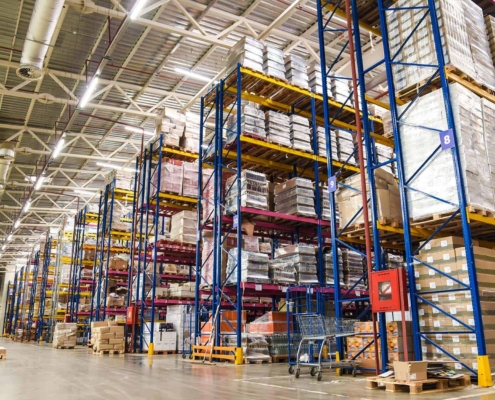
Before you invest in any system, it’s essential to assess your warehouse layout, operations, and pain points. Ceiling height, racking configuration, throughput requirements, and existing software tools will all influence your solution. The goal is to implement automation that complements your workflows, not complicates them. Many Texas warehouses can benefit from phased automation strategies, starting small with one area of the warehouse and expanding as ROI is proven.

Automated Warehouse Solutions That Solve Real Problems

Automated Storage and Retrieval Systems (AS/RS)

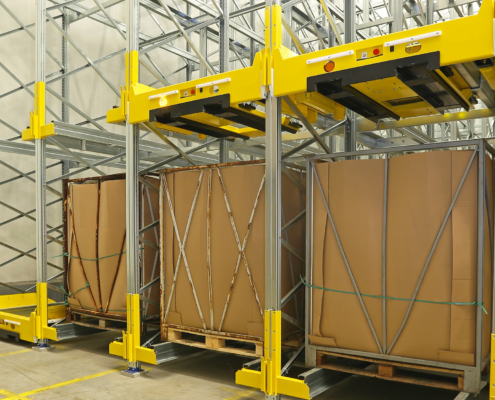
Ideal for facilities that need to increase storage density without expanding their footprint, AS/RS systems is an automated warehouse solution that uses cranes, shuttles, or vertical lift modules to store and retrieve goods. They’re especially useful in high-volume distribution centers, manufacturing plants, and cold storage facilities where space is limited and precision matters.

AS/RS reduces labor demands by automating the entire storage and retrieval process. When integrated with a WMS, they ensure inventory is always tracked, reducing stockouts and overages. In Texas, where warehousing space and labor are both at a premium, AS/RS delivers measurable ROI quickly.

Conveyor and Sortation Systems

Warehouse conveyor systems streamline material movement between zones, increasing speed and reducing labor spent on manual transport. These systems are often paired with sortation technology to automate inbound receiving or outbound order fulfillment.

For Texas-based distribution centers facing high-volume, multi-SKU orders, sortation conveyors minimize errors, improve order cycle times, and reduce physical strain on workers. They’re especially effective in e-commerce, retail fulfillment, and third-party logistics environments.

Autonomous Mobile Robots (AMRs)

When flexibility is a must, AMRs provide a modular solution that adapts to evolving layouts and workflows. These robots move goods between stations, assist in picking, or replenish inventory without human intervention. They operate safely alongside people and navigate dynamically around obstacles.

AMRs are a smart fit for Texas operations looking to reduce walking time, bridge labor gaps, and avoid large infrastructure changes. Because they don’t require fixed routes or tracks, they’re deployable in both new and legacy facilities.

Mobile Automation Tools

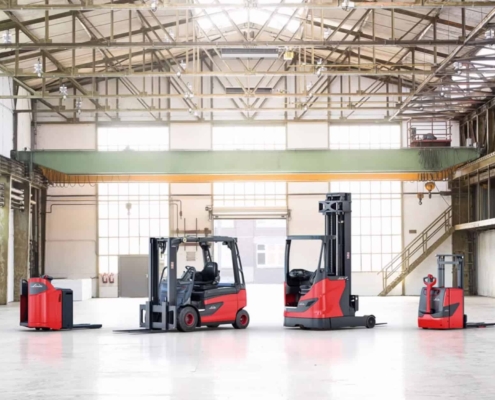
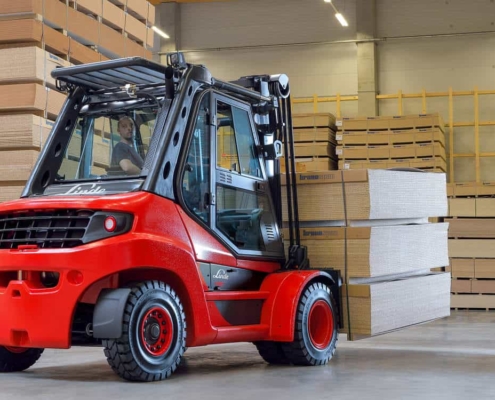
From semi-automated pallet jacks to collaborative lift assist equipment, mobile automation boosts safety and productivity on the warehouse floor. These tools are ideal for facilities seeking to reduce ergonomic injuries while increasing throughput on routine tasks.

While not as flashy as robotics, mobile automation provides fast wins and strong ROI for warehouses of any size, especially in manufacturing or cold storage sectors where repetitive heavy lifting is common.

Warehouse Management System (WMS) Integration

No automation system is complete without intelligent control. A well-integrated WMS ties your physical systems to real-time inventory, order tracking, and data analytics. This enables better forecasting, inventory accuracy, and labor allocation.

HTX specializes in integrating automation with your existing WMS or ERP system, whether it’s a custom build or off-the-shelf platform like Oracle, NetSuite, or SAP. When done right, software integration ensures automation is an asset, not an isolated silo.

Learn about the key components of warehouse automation, the benefits of AI and IoT, and how this technology is shaping the industry.

Key Evaluation Criteria to Guide Your Decision

Choosing the right automation isn’t just about capabilities. It’s about compatibility and cost-effectiveness. Begin with an internal assessment. What is your current labor spend? How much inventory do you turn monthly? How much downtime occurs due to manual handling or inefficiencies? These insights help you prioritize areas where automation delivers the biggest wins.

Factor in your facility’s layout. For example, facilities with narrow aisles and tall ceilings may benefit more from AS/RS than mobile robotics. If you already use a WMS, ensure the solution integrates seamlessly. Ask vendors if the automation will be modular and scalable—can it grow with your operation?

Another crucial question is downtime. How long will the system take to implement, and how will installation impact your current processes? A strong automation partner should offer phased deployment strategies to limit disruption.

Common Mistakes That Cost More Than You Think

Overengineering a solution is a frequent misstep. It happens when facilities buy the most complex automation systems available, only to realize later that simpler tools would have met their needs. That overinvestment can delay ROI by years. On the flip side, under-automating can waste just as much by missing real savings.

It’s also easy to underestimate the importance of staff training and change management. Employees need to understand and trust the new system. Make sure your automation partner offers hands-on training, documentation, and ongoing support.

Finally, many Texas operations overlook stakeholder alignment. Operations, IT, finance, and leadership must be involved from the start. Without full buy-in, even the best-planned automation project can face delays or pushback.

Why HTX Is the Partner Texas Warehouses Rely On

HTX is more than a supplier. We’re a warehouse automation integrator with deep roots in Texas. Our team designs systems based on your needs, not pre-built templates. We provide hands-on support through every phase: from site walkthroughs and workflow analysis to equipment sourcing, installation, integration, and long-term maintenance.

We understand the regional challenges Texas facilities face, such as labor shortages, heat exposure, high-throughput demands, and we know how to engineer systems that overcome them without disrupting your operation. Whether you’re a 3PL, manufacturer, or distributor, we deliver the solutions and support to make automation work.

We also offer local service and support contracts, which means faster response times and fewer headaches if you ever need technical help or upgrades. From San Antonio to Houston to Dallas, HTX supports businesses that need to move fast and scale smart.

HTX Ensures You Start With Fit, Not Flash

With so many automation tools on the market, it’s tempting to chase the most high-tech solution. But long-term success depends on alignment—not just with your warehouse’s layout, but with your team, systems, and budget. Smart automation solves real problems, scales with your business, and drives measurable ROI.

At HTX, we help Texas operations leaders take the guesswork out of automation. From initial audits to system integration and support, we’re your local partner in warehouse transformation.

Talk to HTX today and explore our automated warehouse solutions.

More Like This

Warehouse Automation Vs. Manual Operations What Northern Texas Facilities Need To Know
Avoid These 7 Mistakes When Choosing Automated Warehouse Storage Systems
Rough Terrain Forklift Mc 25 4 St5
Rough Terrain Forklift Mud
Linde Guardian Side View 980x613
Warehouse Storage Solutions With Large Warehouse Shelves
How To Create An Effective Forklift Fleet Management Strategy 2
The Top 5 Benefits of Forklifts for Retail Warehouses