Warehouse Automation vs. Manual Operations: What Northern Texas Facilities Need to Know

In Northern Texas, warehouses and distribution centers are facing unprecedented pressure due to heightened logistics demand, labor challenges, and expanding e‑commerce activity. Facility managers are increasingly asking whether warehouse automation is a better way forward than traditional manual operations.
The State of Warehousing in Northern Texas

Northern Texas has become a strategic logistics hub, anchored by major interstates and growing ports of entry that support retailers, manufacturers, and third‑party logistics (3PL) providers.

Regional logistics demand has surged as businesses seek faster turnaround times and more resilient fulfillment operations. This has spurred investment in larger facilities and more sophisticated material handling.

Yet labor availability issues persist, with many warehouses struggling to fill roles. Combined with the ongoing need for supply chain modernization, these trends are pushing many operators to evaluate technology like warehouse automation to maintain warehouse efficiency.

Manual Warehouse Operations: Still Viable or Falling Behind?

Manual operations are still necessary for many warehouses, especially smaller facilities with limited budgets. However, their ability to scale and adapt is increasingly questioned.

Strengths and Limitations

Manual processes are familiar, flexible, and require minimal upfront technology investment. They allow workers to adapt quickly to varied tasks without complex programming. But they also have limitations. Heavy reliance on human labor can slow throughput and increase variability, especially as order volume grows.

Common Bottlenecks

Hand‑picking, paper‑based documentation, and piecemeal inventory tracking can create bottlenecks. Workers may spend too much time walking aisles, searching for stock, or correcting errors, reducing overall productivity.

When Manual Processes Start to Fail

Manual operations tend to fail when order volumes spike, error rates climb, or staffing becomes unpredictable. At this point, manual systems can’t keep pace with customer expectations or competitive pressures without costly overtime and increased turnover.

Understanding Warehouse Automation

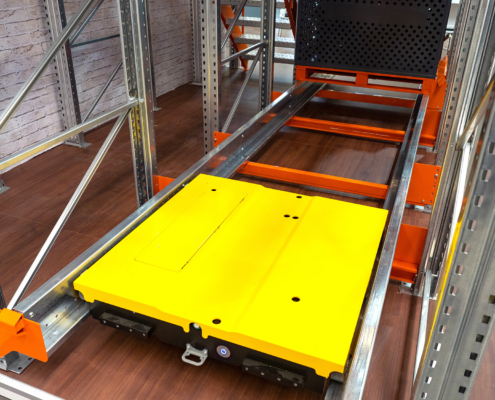
Warehouse automation isn’t a single machine, but a suite of technologies that help streamline material handling, reduce errors, and increase throughput. Warehouse automation refers to the application of technology, like robotics, software, and mechanized systems, to perform tasks traditionally done by humans.

Common tools and technologies:

  • Conveyor systems for continuous movement of goods
  • Warehouse Management Systems (WMS) for real‑time tracking and orchestration

Together, these tools help facilities improve consistency, efficiency, and safety across operations.

Warehouse Automation vs. Manual Operations: Side‑by‑Side Comparison

As facilities consider investment decisions, comparing key factors side‑by‑side helps clarify where automation shines or where manual operations still hold value.

Cost

Manual operations have lower upfront costs but higher long‑term labor expenses. Warehouse automation requires significant capital investment but often yields savings over time via reduced labor and error costs.

Labor

Manual warehouses depend on staffing levels that can fluctuate with labor market conditions, sometimes leading to shortages. Automation reduces reliance on human labor for repetitive tasks, helping facilities maintain consistent throughput even during labor scarcity.

Scalability

Manual systems struggle to scale without proportional increases in staff. Warehouse automation is designed to grow with demand, enabling facilities to handle spikes without linear labor increases.

Accuracy

Human error in manual picking and data entry can impact inventory accuracy and order fulfillment. Warehouse automation systems, especially when paired with WMS, reduce errors through real‑time data and precise execution.

Safety

Manual tasks like heavy lifting and working at heights carry higher injury risks. Automation can take over those repetitive or hazardous activities, improving workplace safety and compliance.

 Discover how warehouse automation can help Northern Texas facilities boost efficiency, reduce labor strain, and scale smarter.

Signs Your Facility Needs Automation

How do you know when manual systems are no longer enough? Here are common indicators that your warehouse may be ready for automation.

Rising Error Rates

If mispicks, inventory discrepancies, or shipment mistakes are increasing, it’s often a sign manual tracking and handling systems are strained and need technological support.

Missed Delivery SLAs

Consistent failure to meet service level agreements, especially with e‑commerce growth in Northern Texas, signals that manual processes can’t keep up with customer expectations.

Overtime Costs

Frequent overtime to meet demand can quickly erode profits. Automation helps redistribute work and reduce the need for excessive labor hours.

High Turnover

Warehouses with high employee churn may be paying a premium in recruiting and training costs. Repetitive or physically strenuous roles are common turnover drivers, while automation can alleviate this pressure.

Regional Trends: Why Texas Warehouses Are Moving Toward Automation

Northern Texas warehouses are uniquely positioned at the intersection of growth and operational strain.

  • Market Growth: The region’s logistics footprint continues to expand as retailers, manufacturers, and distributors establish hubs near Dallas‑Fort Worth and beyond.
  • Regional Pressures: Labor shortages and rising wage expectations make fully manual operations less sustainable compared to automated solutions.
  • E‑commerce Demand: With online shopping growing, facilities must handle more complex fulfillment tasks at greater volume.
  • Local Case Studies: Many Texas warehouse operations have adopted automation incrementally, starting with conveyors or WMS upgrades to ease manual strain while planning larger technology rollouts.

These trends reflect a broader movement in the industry: embracing automation not as a luxury, but as a necessity for long‑term competitiveness.

Key Considerations Before Moving Toward Automation

Before you commit to automation, it’s important to evaluate how it will fit into your specific operation.

Cost vs ROI

Initial investment in warehouse automation can be substantial. Evaluate expected return on investment through reduced labor costs, fewer errors, and improved throughput to ensure financial viability.

Training Needs

Automation introduces new workflows that require operator training. Planning for onboarding and cross‑training helps teams adapt smoothly to new systems and technologies.

Integration With Current Systems

Automation rarely replaces everything overnight. Evaluate how new systems, like a WMS or robotics system, will integrate with existing processes, software, and equipment to avoid disruption.

Facility Layout Changes

Implementing automation may require physical changes to your facility, from aisle widening to power infrastructure upgrades. Planning ahead ensures layout modifications align with long‑term operational goals.

Store Smarter With Balanced Insight From HTX

Manual operations still serve many Northern Texas warehouses well, particularly where flexibility and lower upfront costs matter. But rising logistics demands, labor shortages, and e-commerce growth are driving the shift toward warehouse automation.

Automation addresses key pain points, boosting accuracy, throughput, and long-term efficiency. Still, it’s not one-size-fits-all. HTX Material Handling helps facilities evaluate their needs, offering the regional expertise and balanced solutions necessary to determine if, and when, automation is the right step toward smarter, more scalable operations.

More Like This

Avoid These 7 Mistakes When Choosing Automated Warehouse Storage Systems
How To Choose The Right Automated Warehouse Solutions For Your Texas Facility