How Warehouse Automation Is Helping Solve Texas’ Labor Shortage Crisis

Texas is one of the fastest-growing logistics hubs in the country, but that growth comes with a significant challenge: labor. Warehouses across the state are struggling to find and retain reliable workers. From Houston to Dallas to San Antonio, operations managers are under pressure to meet rising demand with fewer hands on deck. The solution? Smart warehouse automation that optimizes productivity, reduces strain on limited staff, and positions your facility for long-term success.
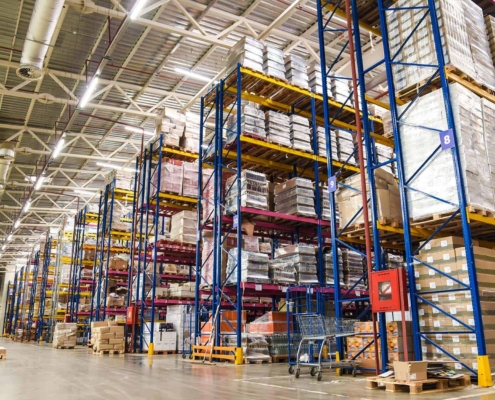
Why Warehouse Labor Is Hard to Find in Texas

Several factors have contributed to Texas’ warehouse labor shortage:

  • Record industrial growth has increased competition for skilled labor
  • Wage inflation is making hiring more expensive
  • High turnover and burnout have become common in physically demanding roles
  • Expanding urban development is pushing warehouses farther from labor pools

The result? Many Texas warehouses are operating with skeleton crews and losing ground to more automated competitors.

What Warehouse Tasks Can Be Automated First?

Not every warehouse needs to jump to robotics right away. Most start by automating repetitive, labor-heavy tasks. The most impactful areas include:

  • Picking and sorting: Sortation systems and pick modules reduce travel time and manual scanning
  • Pallet movement: Autonomous mobile robots (AMRs) and pallet shuttles move goods faster and safer than forklifts
  • Storage and retrieval: AS/RS systems automate inventory flow with precision
  • Labeling, scanning, and tracking: Integration with WMS ensures accurate data with less human input

By targeting the right functions, businesses can boost throughput while lightening the load on their workforce.

Can Mid-Sized Operations Afford Warehouse Automation?

Yes, especially in Texas. Automation doesn’t have to mean a seven-figure overhaul. Today’s solutions are modular and scalable. Many HTX clients start small, automating a single process or zone, then expand based on ROI.

Compare the cost of automation to rising wages, recruitment efforts, and turnover expenses, and the numbers speak for themselves:

  • Automation ROI can often be realized in 12–24 months
  • Labor savings can exceed 20–40% annually
  • Reduced downtime and errors add further value

A strategic approach, not just a large budget, is what makes automation feasible.

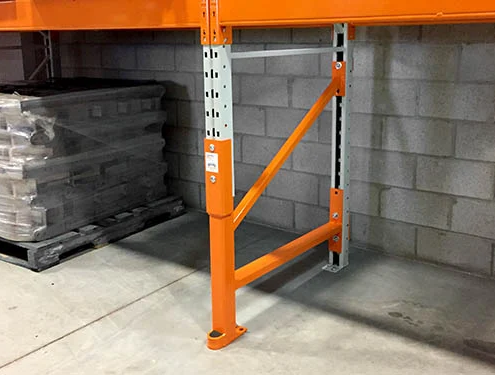
Discover the top 5 reasons you may need warehouse rack repair. Learn how to identify issues and avoid safety risks, downtime, and inventory loss.

How Fast Can Automation Be Deployed?

Timeline depends on system complexity, but many facilities begin seeing results in as little as 6–8 weeks for smaller-scale implementations. HTX follows a design-build model:

  • Assessment & Planning
  • System Design
  • Vendor Selection
  • Installation & Integration
  • Training & Support

We work with your schedule to minimize downtime and disruption.

Addressing Common Automation Concerns

Will automation eliminate jobs?

Not necessarily. Automation shifts repetitive tasks away from people, allowing teams to focus on oversight, maintenance, and complex fulfillment.

Is it too complicated to integrate?

Modern automation systems are built to connect with your existing WMS, ERP, and floor layout. HTX ensures seamless deployment.

What about employee training?

HTX offers hands-on training so your team is confident using new systems from day one.

Industry Applications Across Texas

  • Manufacturing: Streamline material flow from production to shipping
  • Distribution & 3PL: Increase order accuracy and reduce sortation errors
  • Cold Storage: Limit forklift use in temperature-sensitive zones
  • E-commerce: Speed up picking and fulfillment with robotic assistance

Texas-based businesses in all sectors are using automation to stay competitive despite staffing challenges.

How to Optimize Warehouse Operations With Automation

The key to overcoming Texas’ labor shortage isn’t just adding equipment—it’s adopting a strategic mindset to optimize warehouse operations across every workflow. That starts with evaluating your current bottlenecks, understanding where automation adds the most value, and choosing solutions that reduce manual handling without disrupting daily activity.

HTX guides operations teams through internal audits to uncover these opportunities, whether it’s reworking a pick path, redesigning a staging area, or integrating automated storage and retrieval systems (ASRS). Each change should serve a specific purpose: to reduce strain on your team, increase order speed, or improve overall accuracy.

Warehouse Efficiency Tools That Actually Work

Choosing the right warehouse efficiency tools is about more than hardware—it’s about fit. Not every facility needs a robot fleet, but nearly every Texas warehouse can benefit from modular automation like:

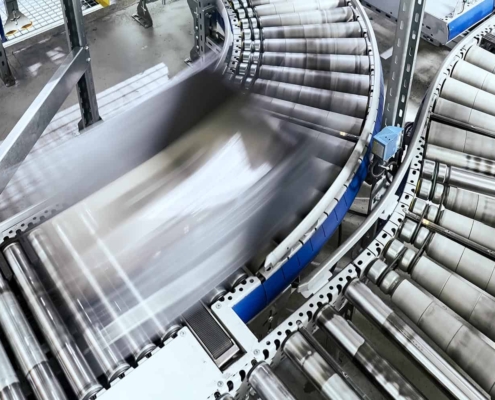
  • Sortation conveyors that speed up fulfillment and reduce human error
  • Pallet shuttles that maximize dense storage with fewer forklifts
  • AMRs that automate long-distance transport across warehouse zones
  • Integrated WMS systems that provide real-time inventory accuracy

These tools improve efficiency not by eliminating workers, but by equipping them to do more in less time. For warehouses in Texas, that difference could mean staying competitive in a tight labor market.

Whether you’re managing a 3PL, running a cold storage facility, or scaling e-commerce operations, automation isn’t just a response to the labor shortage—it’s your edge against it.

Automation Isn’t Optional—It’s a Competitive Advantage

Texas’ labor market isn’t getting easier. For operations leaders, waiting to automate is no longer an option. Whether you’re battling hiring delays or just trying to maintain throughput, warehouse automation provides the tools to stabilize operations, reduce costs, and increase output.

From AMRs and ASRS to WMS integration and sortation systems, HTX has the local expertise and proven track record to guide you through every step.

Why HTX Is Texas’ Go-To Warehouse Automation Partner

HTX Material Handling isn’t just a product reseller—we’re a full-service automation integrator. That means:

  • Consultative design, not cookie-cutter systems
  • Vendor-neutral recommendations based on your operation
  • WMS/WCS integration expertise
  • Ongoing lifecycle support for training, maintenance, and upgrades

Our team understands Texas warehouses because we live and work here, too. Whether you’re in DFW, the Gulf Coast, or Central Texas, we’re ready to deliver the right automation for your facility. Reach out today to find out how HTX can relieve the stress at your understaffed warehouses.

More Like This

Damotech Pro Installed
Warehouse Storage Solutions With Large Warehouse Shelves
Linde Guardian Side View 980x613
Side view of Hubtex forklift
Warehouse conveyer system inside large warehouse
Warehouse with racks and pallets
moffit forklift safety
linde forklift material handling
The Top 5 Benefits of Forklifts for Retail Warehouses