When It’s Best to Rent or Buy Rough Terrain Forklifts

Rough terrain forklifts are built to handle mud, gravel, and uneven ground, but deciding whether to rent or buy one isn’t always straightforward. The upfront price of ownership can be steep, while long-term rentals add up quickly—and the wrong choice can leave your business stuck with equipment that doesn’t fit the job.
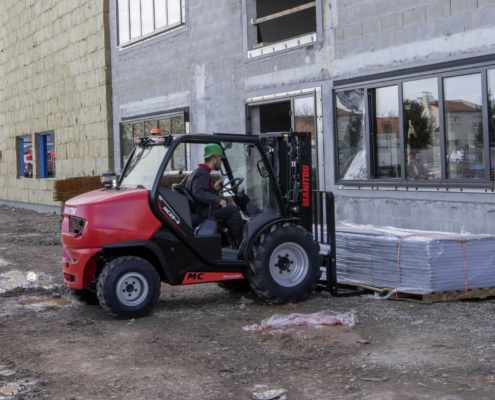
Discover the key factors to consider when you’re deciding whether to rent or buy rough terrain forklifts and how costs, maintenance, and tax advantages play into the equation.

Why the Decision Matters

Deciding whether to rent or buy a rough terrain forklift is one of those choices that can quietly make or break your bottom line. These machines aren’t cheap, and they’re not one-size-fits-all either. A poor decision can mean tying up capital in equipment that sits idle half the year, or paying rental bills that end up higher than the cost of ownership.

It’s not just about money. The right call affects:

  • Operational reliability: Owning ensures your forklift is always ready; renting sometimes means waiting on availability.
  • Risk management: Maintenance, breakdowns, and downtime carry costs—who pays depends on whether you own or rent.
  • Scalability: Can you easily add or return equipment as projects shift?
  • Strategic planning: Long-term investment vs. short-term agility affects how your business grows.

For industries where margins are tight, this is a major, strategic decision.

Renting Rough Terrain Forklifts

Renting a forklift offers short-term flexibility without the heavy upfront price tag. For many companies, it’s the smartest way to get the equipment they need exactly when they need it.

Here are the major considerations when looking at whether to rent or buy your rough terrain forklift:

Rental Term & Duration

Rental makes sense when you only need equipment for days, weeks, or a few months. A contractor running a 90-day construction project, for instance, avoids a six-figure purchase by renting. But once rentals stretch into year-long arrangements, the cost curve usually tilts toward ownership.

Availability & Lead Times

Renting gives you access to a broad fleet without long-term storage or ownership headaches. But availability isn’t guaranteed. Peak building seasons may see high demand, meaning you’ll need to plan ahead to secure the right machine.

Maintenance & Repair Obligations

One of the biggest benefits of renting is shifting responsibility for most maintenance to the rental provider. Typically, routine inspections and major repairs are covered. Still, you’ll want to confirm:

  • Who handles consumables like tires and fluids?
  • Are you responsible for operator-caused damage?
  • Does the rental agreement include swap-outs if a machine goes down?

This clarity protects you from surprise invoices.

Cost Predictability

Renting delivers predictable monthly costs. There’s no depreciation risk, no surprise repair bills, and no long-term debt. This makes budgeting far easier, especially for startups or companies with unpredictable demand.

Flexibility & Scalability

If your workload spikes in summer but drops in winter, renting allows you to scale equipment up or down as needed. You can also test out different models, mast heights, or load capacities before committing to purchase.

 For a deeper dive into rental cost savings, check out our blog to discover scenarios where rental clearly beats ownership. 

Buying Rough Terrain Forklifts

When operations are consistent and equipment will see year-round use, ownership often makes more financial sense. Purchasing locks in long-term access and gives you the freedom to customize.

Long-Term Use

The break-even point is often measured in hours. If you’re using a forklift heavily across multiple projects every year, the cost of renting quickly surpasses ownership. Farms, logistics yards, and large contractors often benefit from buying because the machine rarely sits idle.

Customization & Attachments

Rentals usually limit you to standard configurations. By owning, you can install custom masts, specialized forks, or jobsite-specific attachments. For example, a lumber yard may need clamps for irregular loads, or a contractor may require fork extensions for oversized pallets.

Scheduling & Availability

Owning removes dependency on rental fleets. You won’t be caught waiting for delivery or told the unit you need is already rented out. If uptime is critical, this alone can justify ownership.

Tax & Financial Incentives

When you purchase a rough terrain forklift, you may qualify for Section 179 deductions or accelerated depreciation. These tax advantages can dramatically reduce your effective cost of ownership. Rentals may be deductible as operating expenses, but ownership offers bigger incentives for companies ready to invest long term.

Breaking Down the Cost Factors

Understanding where the money goes is key to making the right decision. Below is a closer look at the financial trade-offs of renting or buying your rough terrain forklift.

Upfront Cost & Depreciation

There’s minimal upfront outlay with renting, often just the rental fee and delivery. Owning requires significant upfront investment (often six figures). Depreciation begins immediately but can be offset through resale value. For companies with limited capital, avoiding the large initial expense can free up funds for payroll, materials, or expansion.

Maintenance & Repair

With renting, the provider handles most scheduled maintenance. Some contracts even include swap-outs if a breakdown occurs. When it comes to owning, all maintenance and repairs are your responsibility. Costs can range from minor part replacements to major overhauls. This factor alone makes renting attractive to businesses that can’t risk surprise downtime expenses.

Insurance, Storage & Registration

Owning equipment means paying for storage facilities, insurance coverage, and in some areas, licensing or registration. Rentals typically roll these costs into the fee or eliminate them altogether.

Fuel / Energy Consumption

Whether diesel, LPG, or electric, fuel costs add up over hundreds of hours. Owners bear all consumption costs, while renters pay only for the period of use. For businesses with sporadic needs, this can mean substantial savings.

Flexibility / Idle Costs

Even when equipment sits unused, costs like depreciation, insurance, and storage continue. However, when renting, you pay only while the forklift is onsite and in use. Idle time is one of the hidden costs that pushes many seasonal businesses toward rentals.

Tax Treatment & Incentives

Rental payments may be deductible as operating expenses, simplifying accounting. With owning, Section 179 and bonus depreciation can slash taxable income significantly. Businesses planning major investments often leverage these benefits to lower overall tax liability.

Matching the Decision to Your Business Goals

The choice between renting and buying a rough terrain forklift isn’t just financial. Here’s what to consider to align the decision with your business model:

  • How many hours per year will the forklift operate?
  • Are your projects seasonal or year-round?
  • Do you need flexibility to scale equipment quickly?
  • Is your capital budget tight or healthy?
  • Will specialized attachments be required?
  • Can your business benefit from Section 179 deductions?
  • How critical is guaranteed uptime?

The key is to match equipment strategy to workload, financial goals, and risk tolerance.

Make the Smart Move with HTX Material Handling

The decision to rent or buy rough terrain forklifts doesn’t have to be overwhelming. By weighing usage, costs, and long-term plans, you can make a choice that supports your business.

At HTX Material Handling, we offer both flexible forklift rental options and full ownership solutions, including financing and support. Whether you’re testing the waters or ready to invest, our team can help you evaluate the numbers and choose with confidence. Contact us today to get tailored guidance and explore your best options.

More Like This

Rough Terrain Forklift Mc 25 4 St5