Top 5 Reasons You May Need Warehouse Rack Repair Services

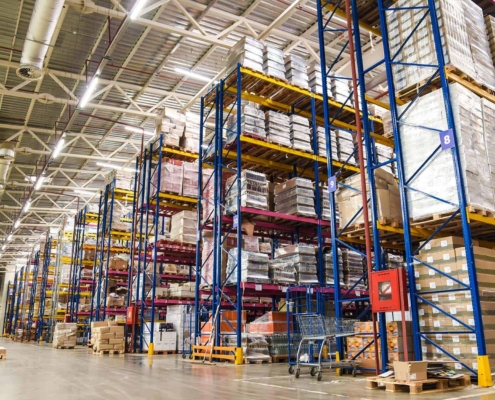
Warehouse rack systems are designed to support the weight and motion of fast-moving industrial environments, but even the most rugged structures aren’t immune to damage. Over time, repeated forklift impacts, overloading, corrosion, and general wear can compromise the integrity of your racking, increasing the risk of costly downtime, injuries, and product loss. That’s where warehouse rack repair becomes a critical safeguard.

In this blog, we explore five of the most common types of rack damage, how they occur, why they matter, and what actions warehouse managers, safety officers, and logistics professionals should take to address them.

1. Upright Column Damage

Forklift collisions are the number one culprit behind damaged upright columns. Tight corners, high-speed maneuvering, or pallet mishandling can crumple or bend these vertical supports.

Why It Matters

Uprights are the primary load-bearing components of your racking system. Even minor bending can significantly reduce structural stability, putting the entire system at risk. If not addressed promptly, this kind of damage can lead to a total collapse, endangering both workers and inventory.

What to Do

Depending on severity, column damage can often be repaired using engineered reinforcement kits, such as those offered by Mac Rak. These solutions restore the rack’s strength without requiring full replacement or system downtime.

2. Beam Deflection or Bending

This damage typically results from overloading shelves or using beams that aren’t rated for the weight they’re supporting. It can also occur from uneven distribution of product weight.

Why It Matters

Beams that sag or bow under load reduce the system’s carrying capacity and may buckle unexpectedly. This not only threatens your inventory but puts employees at risk.

What to Do

Visually inspect beams for noticeable curvature or sag. If deformation is observed, the beam may need to be replaced or reinforced. Prevent recurrence by checking load ratings and retraining staff on proper stacking practices.

3. Missing or Damaged Safety Clips and Pins

These components are sometimes removed during beam height adjustments and not reinstalled correctly. In other cases, they may shear off or go missing entirely from repeated movement or improper engagement.

Why It Matters

Clips and pins are designed to keep beams locked securely in place. Without them, the beam can dislodge during loading or unloading, causing a sudden drop of pallets, injuries, or product damage.

What to Do

Include safety clip checks in your regular inspection schedule. Any missing or bent hardware should be replaced immediately with compatible parts to maintain compliance and safety.

Learn about the key components of warehouse automation, the benefits of AI and IoT, and how this technology is shaping the industry.

4. Rust and Corrosion

Humidity, chemical exposure, and inadequate maintenance practices can cause rust to form on steel racking. Facilities in coastal areas or with poor ventilation are particularly susceptible.

Why It Matters

Corrosion weakens the steel over time, degrading load-bearing performance. It also presents potential regulatory violations if the rust is widespread or affects weld points.

What to Do

Inspect for surface rust and bubbling paint. Minor corrosion can often be cleaned and sealed, while deeper rust may require reinforcement or component replacement. For critical structures, consider a professional assessment.

5. Base Plate or Anchor Damage

Forklift contact, floor vibration, or seismic activity can loosen, crack, or shear the base plate or anchors that secure the rack to the concrete floor.

Why It Matters

A compromised base destabilizes the entire rack structure. Even if the uprights appear intact, damage at the base can lead to rocking, tilting, or collapse under stress.

What to Do

Ensure base plates are fully secured and flush with the floor. Loose or missing anchors should be replaced with the proper fasteners. Reinforcement brackets, like those from Mac Rak, can provide added security and prevent future issues.

Consider Compliance and Insurance Risks

Beyond operational delays and safety concerns, damaged racking can also impact regulatory compliance and insurance coverage. OSHA and local safety codes require structurally sound rack systems, and insurers may deny claims if damage is found to be a contributing factor in a workplace incident. Ensuring your racking is regularly inspected and repaired when needed not only safeguards people and products but also protects your company from liability exposure.

Don’t Ignore the Warning Signs

While warehouse racking systems are built for strength, they aren’t indestructible. Ignoring early signs of damage can lead to compounding problems that increase your liability and warehouse rack repair costs. A proactive inspection and maintenance program can help catch minor issues before they become major disruptions.

From upright damage to rusted joints, these common problems often go unnoticed until it’s too late. Knowing what to look for, and acting quickly when damage is found, can help you avoid costly downtime and ensure the long-term safety and efficiency of your operation.

Whether you’re managing a high-turnover logistics hub or a local distribution center, regular rack assessments should be part of your facility’s safety culture.

Early Detection Is Key

Even small flaws in your racking can evolve into major threats if left unaddressed. Routine inspections and timely repairs help preserve structural strength, prevent compliance issues, and reduce costly downtime. Spotting the signs early gives you time to respond before those issues escalate into full-scale replacements.

Final Thoughts: Small Fixes, Big Protection

Many rack failures are preventable with the right attention and action. Choosing a trusted partner like Mac Rak for your warehouse rack repair needs ensures you’re getting engineered solutions that meet industry standards, deliver lasting durability, and help you avoid full-system replacement.

At HTX Material Handling, we offer complete assessment and warehouse rack repair services backed by Mac Rak’s proven reinforcement technology. Whether you’re dealing with a single damaged upright or need to restore multiple bays, we can help you extend the life of your equipment without sacrificing safety.

Your racking holds more than product—it holds the backbone of your business. Let us help you keep it standing strong.

More Like This

How Warehouse Automation Is Helping Solve Texas' Labor Shortage Crisis
Warehouse Storage Solutions With Large Warehouse Shelves
Linde Guardian Side View 980x613
Side view of Hubtex forklift
Warehouse conveyer system inside large warehouse
Warehouse with racks and pallets
moffit forklift safety
linde forklift material handling
The Top 5 Benefits of Forklifts for Retail Warehouses