Signs You Need to Upgrade to a Rough Terrain Forklift

If your job site feels like a constant battle between equipment and the environment, your forklift might be working harder than it should. Not all forklifts are built to perform in unpaved yards, uneven construction sites, or rugged outdoor environments. Using an indoor or general-purpose forklift on rough terrain can lead to costly damage, frequent breakdowns, and serious safety concerns. When your equipment starts falling short of the job, it may be time to consider a rough terrain forklift.
This guide helps you identify the warning signs, understand the benefits of upgrading, and explore options for purchase or rough terrain forklift rental.

What Is a Rough Terrain Forklift?

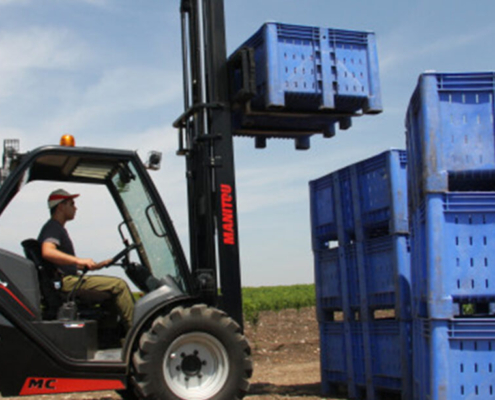
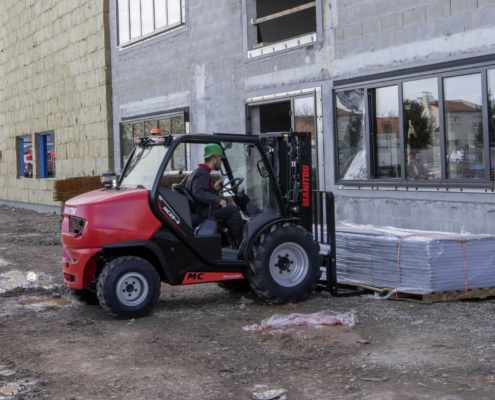
Rough terrain forklifts are designed specifically for challenging outdoor environments. They feature reinforced frames, oversized pneumatic tires, powerful drivetrains, and increased ground clearance. These machines are built to navigate muddy, rocky, sloped, or unstable surfaces with minimal slippage and maximum control.

Unlike standard forklifts that struggle outside of smooth warehouse floors, rough terrain models are commonly used in industries like construction, agriculture, oil and gas, lumber yards, and heavy manufacturing. They’re also ideal for any work site where weather, soil conditions, or surface changes are unpredictable.

Signs Standard Forklifts Just Aren’t Cutting It

Recognizing when your forklift is no longer suited for the job can save you from serious safety risks and performance setbacks. From slipping tires to rising maintenance bills, there are clear signs that indicate it’s time to make a change.

Below, we highlight some of the most common red flags that point to the need for a rough terrain forklift and how making the switch can benefit your operation.

1. Your Current Forklift Struggles With Ground Conditions

If your forklift frequently gets stuck, slips on gravel, or struggles to gain traction on uneven ground, you’re likely using equipment outside of its capabilities. Standard cushion-tire forklifts aren’t designed to operate efficiently, or safely, on non-paved surfaces.

Rough terrain forklifts solve this issue with larger pneumatic tires, all-wheel drive, and reinforced undercarriages. These features provide better traction, shock absorption, and ground clearance, helping your operators stay productive in any environment.

2. You’re Experiencing Frequent Equipment Downtime

Constant breakdowns aren’t just frustrating—they’re expensive. If your forklift suffers from damaged tires, strained hydraulics, or frequent overheating due to terrain stress, it may be signaling that it’s not built for your site conditions.

Rough terrain models are engineered with durability in mind. Their heavy-duty components withstand the jolts, bumps, and resistance caused by uneven surfaces, significantly reducing maintenance costs and repair frequency. The result? Less downtime and more time moving product.

3. Operator Safety Is a Growing Concern

A forklift not designed for outdoor environments can quickly become a safety hazard. Loss of traction, tipping risks, and limited visibility can all put your team in danger, especially on wet, sloped, or unstable terrain.

Rough terrain forklifts are equipped with safety features designed for unpredictable job sites. These include wide bases for stability, advanced suspension systems, and improved visibility for outdoor operation. Choosing the right machine for the right conditions not only boosts performance but protects your crew from unnecessary risk.

HTX Material Handling offers durable rough terrain forklifts designed to handle uneven surfaces and harsh outdoor environments with power and stability.

4. You’re Losing Productivity on Outdoor Tasks

Time spent wrestling with equipment delays productivity. If you notice slower load times, stalled transport, or constant workarounds to accommodate terrain issues, your equipment is likely holding your team back.

Rough terrain forklifts help operators complete tasks faster with fewer interruptions. Their powerful build, increased speed, and enhanced maneuverability on uneven surfaces reduce the time it takes to transport materials across challenging sites.

If your crew is wasting valuable time compensating for an underperforming forklift, upgrading could instantly improve job site efficiency.

5. Your Job Sites Demand Greater Flexibility

Many industries rely on mobile equipment that can adapt to a variety of locations. From lumber yards and agriculture fields to temporary event setups and infrastructure projects, each site comes with its own terrain challenges.

If your operations require consistent outdoor material handling or frequent site changes, a rough terrain forklift provides the reliability and adaptability you need. They’re versatile enough for a wide range of applications and durable enough to keep up with unpredictable working environments.

Are Rough Terrain Forklifts Worth the Upgrade?

In environments where safety, uptime, and speed matter, the answer is yes. While rough terrain forklifts may cost more upfront than standard models, the return on investment is clear:

  • Fewer breakdowns due to rugged construction
  • Increased productivity in tough environments
  • Improved safety for operators and pedestrians
  • Reduced maintenance and repair costs over time

Plus, modern models come equipped with ergonomic cabs, intuitive controls, and fuel-efficient engines, making the upgrade even more worthwhile.

Can You Rent a Rough Terrain Forklift?

Yes. A rough terrain forklift rental is a smart way to test capabilities or fulfill short-term needs without the financial commitment of a purchase.

Rental is ideal for:

  • Seasonal agricultural operations
  • One-time construction projects
  • Remote event setup
  • Emergency replacements during maintenance

Rental programs often include service and maintenance support, giving you peace of mind while maximizing performance in the field.

Don’t Wait for a Breakdown

Using the wrong equipment in the wrong environment doesn’t just slow you down—it puts people and products at risk. If your current forklift struggles with terrain, causes delays, or compromises safety, it may be time for an upgrade.

A rough terrain forklift is built for more than just durability. It’s a tool for maximizing uptime, protecting operators, and getting the job done right in the face of outdoor challenges. Whether you’re looking to buy or explore rough terrain forklift rental options, investing in the right machine can deliver immediate results.

At HTX Material Handling, we help businesses navigate tough terrain with confidence. From industry-leading models to flexible rental programs, we’ll help you find the equipment that matches your environment—and your goals.

Let’s take the hassle out of harsh terrain, one lift at a time.

More Like This

How To Choose The Right Automated Warehouse Solutions For Your Texas Facility
Rough Terrain Forklift Mc 25 4 St5
Linde Guardian Side View 980x613
Warehouse Storage Solutions With Large Warehouse Shelves
How To Create An Effective Forklift Fleet Management Strategy 2
The Top 5 Benefits of Forklifts for Retail Warehouses
Manitou Terrain Forklift In Action 980x613
Manitou Header Industry Forklifts Mc Application Wood
How to Create an Effective Forklift Fleet Management Strategy