A Buyer’s Guide to Rough Terrain Forklifts

While they may look similar at first glance, choosing the wrong rough terrain forklift can cost you time, money, and even safety on the job site. From construction and agriculture to industrial yards, the right machine depends on factors like tire type, engine power, height and lift capacity, and cab comfort. Explore the core rough terrain forklift features to evaluate and learn practical tips for assessing your worksite, so you can match the right equipment to the job.
Why Rough Terrain Forklift Selection Matters

A poor match between machine and environment can result in constant breakdowns, higher fuel consumption, or operators struggling to do their jobs. Those issues don’t just slow down productivity; they also drive up costs in repairs and unplanned downtime.

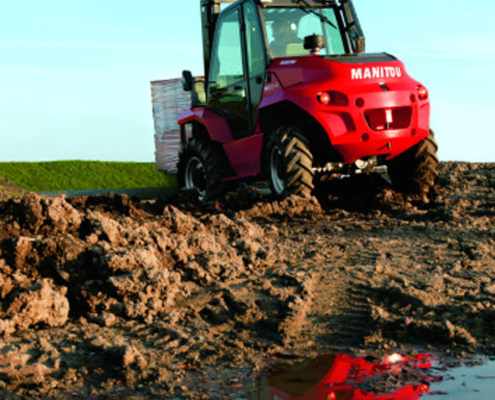
Rough terrain forklifts are built to perform where standard models can’t, but not all of them are designed for the same conditions. The machine that’s perfect for hauling building materials across a muddy construction site might be a poor choice for navigating an industrial yard or agricultural field.

By carefully evaluating the most important rough terrain forklift features, you can avoid costly mistakes and choose a machine that’s both safe and reliable.

Core Features to Evaluate in Rough Terrain Forklifts

The right features determine whether your forklift is an asset or a liability on the job. Here’s a closer look at the factors that should guide your decision.

Tire Types

Tires are a major factor in traction, stability, and safety. Pneumatic tires, filled with air, provide excellent cushioning and grip, making them a strong choice for muddy fields or uneven soil. However, they’re prone to punctures, which can halt operations at the worst times.

Foam-filled tires eliminate the risk of flats and require less maintenance, but they come at a higher upfront cost. If your site is littered with sharp debris, foam-filled may save you money in the long run by reducing downtime.

2WD vs. 4WD

Drive type determines how well your machine handles uneven ground. While 2WD forklifts are generally lighter and more maneuverable, and sometimes all you need on stable surfaces, they can struggle in mud, sand, or gravel.

4WD provides added traction and stability, giving operators confidence when climbing slopes or working in loose conditions. For construction, oilfield, or forestry work, 4WD is usually worth the investment.

Height and Lift Capacity

Matching height and lift capacity to your actual loads is crucial. Too little, and you’ll end up straining the machine or requiring additional equipment. Too much, and you may pay for power and reach you don’t actually need. Consider both your heaviest loads and your highest stacking requirements.

For example, construction projects often need forklifts that can safely lift pallets multiple stories high, while agriculture may require more moderate lift heights but consistent weight handling for bulky loads like feed or fencing.

Ground Clearance

Clearance is often overlooked until it becomes a problem. If your forklift bottoms out on rocks, ruts, or curbs, productivity comes to a halt. A higher-clearance machine can safely traverse obstacles and uneven ground, but it may sacrifice a bit of maneuverability in tighter spaces. For jobsites with unpredictable terrain, extra clearance is a safeguard against costly delays.

Engine Power

Your choice of engine power will directly affect both performance and operating expenses. Diesel remains the go-to option for most outdoor work thanks to its torque, durability, and availability on remote jobsites. LPG is a versatile alternative that burns cleaner and can be more affordable depending on fuel prices.

Electric rough terrain forklifts are becoming more capable, offering sustainability benefits and lower emissions, but limited runtime and charging infrastructure can make them impractical for long or remote shifts. The right choice depends on how you plan to use the machine.

Cab Comfort

A comfortable operator is a productive operator. Features such as ergonomic seating, wide visibility, and climate control can reduce fatigue during long shifts. This is especially important in hot climates like Texas, where cabs equipped with proper ventilation or air conditioning can prevent operator burnout.

Prioritizing cab comfort may seem like a luxury, but in practice, it’s a direct investment in safety and efficiency.

Optional Attachments

Attachments transform a forklift from a single-purpose machine into a multipurpose workhorse. Fork extensions handle oversized pallets, clamps secure irregular loads, and buckets add utility for construction or agriculture tasks. Investing in attachments can increase versatility and reduce the need for multiple machines, especially for operations that handle varied materials.

Considering the Total Cost of Ownership

While features are important, buyers should also think about how their decision plays out financially over the long term. The “cheapest” forklift upfront isn’t always the most cost-effective once you factor in operating and maintenance costs.

  • Fuel Efficiency: Diesel may offer unmatched power, but higher fuel consumption can add up quickly on long shifts. LPG or electric models may deliver savings depending on your use case.
  • Maintenance Costs: Foam-filled tires cost more initially but require fewer replacements. Similarly, a machine with higher-quality hydraulics may reduce downtime compared to lower-cost alternatives.
  • Versatility: Attachments can cut costs by allowing one forklift to perform the work of several machines.
  • Resale Value: Reputable brands and well-maintained equipment retain value, lowering total ownership costs when it’s time to upgrade.

By weighing the full lifecycle cost of your forklift, you’ll avoid surprises and ensure your investment delivers maximum return.

If you’re not ready for a full commitment, HTX’s forklift rental program offers flexible terms and access to modern rough terrain forklifts. Learn more about our rental options today.

Matching Forklifts to Your Worksite Terrain

No two jobsites are alike, and even the best forklift can underperform if it isn’t matched to the ground conditions. Before making a choice, evaluate:

  • Surface type: Is the terrain soft, muddy, rocky, or mostly paved?
  • Slope and grade: Does your site have steep inclines or mostly flat areas?
  • Obstacles: Will the machine need to clear debris, trenches, or tight pathways?
  • Weather conditions: Will rain, heat, or dust affect traction or operator comfort?

By weighing these factors, you’ll be able to determine whether high clearance, specialized tires, or extra cab features are must-haves for your environment. Remember: a forklift that excels in one setting might fall short in another, so let your site conditions guide the decision.

Industry Scenarios: Choosing the Right Fit

Different industries rely on rough terrain forklifts for very different reasons. Understanding these use cases highlights why feature selection is so important.

Construction

Construction sites often demand maximum versatility. Heavy loads, tall lifts, and unpredictable terrain mean 4WD is usually a must, along with strong diesel engine power and high ground clearance. Attachments like buckets can also add value by reducing the need for extra machines.

Agriculture

In farming and ranching, forklifts need to perform long outdoor shifts with minimal downtime. Pneumatic or foam-filled tires are essential for handling muddy or uneven soil, and cab comfort features like climate control become especially important for operator endurance. Moderate lift heights are usually sufficient, but consistent reliability is key.

Industrial Yards

Industrial environments often combine paved surfaces with occasional rough patches. Here, maneuverability and versatility matter more than sheer power. Mid-range height and lift capacity, 2WD options, and useful attachments can provide the balance needed to move between indoor and outdoor spaces efficiently.

Make the Smart Choice With Expert Guidance

At HTX Material Handling, we help Texas businesses find forklifts that match their terrain, workload, and budget. Whether you’re looking to purchase or rent, our team is here to guide you through every option. Contact us today to learn more about available models and get expert advice tailored to your operation.

More Like This

How To Choose The Right Automated Warehouse Solutions For Your Texas Facility
Rough Terrain Forklift Mud
Linde Guardian Side View 980x613
Warehouse Storage Solutions With Large Warehouse Shelves
How To Create An Effective Forklift Fleet Management Strategy 2
The Top 5 Benefits of Forklifts for Retail Warehouses
Manitou Terrain Forklift In Action 980x613
Manitou Header Industry Forklifts Mc Application Wood
How to Create an Effective Forklift Fleet Management Strategy