The Importance of Warehouse Storage Optimization
Discover how warehouse storage optimization can boost efficiency and reduce costs. Learn key strategies to maximize your storage space effectively.

Efficient warehouse storage is the backbone of any successful logistics or manufacturing operation. As businesses grow and inventory increases, the need for effective warehouse storage optimization becomes more pressing. Proper storage strategies improve workflow, enhance safety, and reduce costs, all while meeting the demands of your customers.
Keep reading to learn more about warehouse storage optimization, practical ways to maximize your warehouse space, the different types of storage racks available, and how equipment like forklifts can enhance storage layouts.
Warehouses are more than storage facilities—they’re operational hubs. The way products are stored directly impacts picking speed, inventory accuracy, and overall efficiency. When storage is disorganized or inadequate, it can lead to delayed shipments, higher labor costs, and even lost inventory.
For businesses handling large inventories, implementing effective warehouse storage solutions is essential to maintaining a competitive edge.
Whether you’re starting from scratch or improving an existing layout, the following strategies can help you achieve better warehouse storage optimization:
The first step to optimizing storage is evaluating your current layout. Identify bottlenecks, underutilized spaces, and areas that could be reorganized. A thorough analysis of your storage needs, such as the types of products you store and their turnover rates, will guide your decisions.
Maximizing vertical space is one of the easiest ways to increase storage capacity. High-quality pallet racking systems and mezzanines can help you utilize the full height of your warehouse. This not only frees up floor space but also makes inventory easier to organize and access.
Slotting involves arranging inventory based on picking frequency. High-demand items should be stored in easily accessible locations while slower-moving inventory can be placed in less convenient areas. This reduces the time spent retrieving items and improves overall productivity.
Modular systems offer flexibility to reconfigure your layout as needed. These systems are particularly useful for businesses with fluctuating inventory levels or seasonal products.
Warehouse management systems (WMS) can provide real-time insights into inventory levels and storage efficiency. These tools help you track product locations, identify inefficiencies, and make data-driven decisions about your layout.
The type of storage racks you choose plays a critical role in warehouse storage optimization. Each option offers unique benefits based on your inventory type, space constraints, and operational needs.
Pallet racks are the most common storage solution for warehouses. They allow for efficient stacking of palletized goods and can be customized to fit different heights and weights. Pallet racks include:
Shelving is perfect for smaller, non-palletized items. Options include:
ASRS uses robotics and automation to store and retrieve items, significantly improving efficiency and accuracy. These systems are ideal for businesses handling large volumes of inventory with limited space.
Say goodbye to repetitive tasks and hello to increased productivity. Learn how technology is changing modern warehouses with innovative advancements like modular design, vertical storage, and more.
Installing mezzanine floors allows you to add an extra level of storage without expanding your warehouse footprint. These platforms are customizable and can be equipped with racks, shelves, or automated systems.
Equipment like forklifts plays a pivotal role in warehouse storage optimization. From moving heavy pallets to accessing high shelves, forklifts ensure that products are stored and retrieved efficiently. However, selecting the right equipment is just as important as having it.
Different types of forklifts serve unique purposes in a warehouse setting:
To ensure forklifts operate smoothly, your warehouse layout should accommodate their size, turning radius, and lifting capacity. Wide aisles are better suited for traditional forklifts, while narrow aisle layouts can benefit from specialized equipment like reach trucks.
Regular maintenance of forklifts and other equipment is essential for a safe and efficient warehouse. Proper training for operators also minimizes the risk of accidents and damage to inventory.
A well-designed storage system works hand-in-hand with the equipment you use. For example:
Effective warehouse storage optimization is more than a one-time effort—it’s an ongoing process that evolves with your business needs. By assessing your layout, implementing vertical storage, using the right racks, and investing in suitable equipment, you can maximize space, improve workflow, and reduce costs.
Whether you’re looking for advanced warehouse storage solutions or simply want to reorganize your space, prioritizing optimization will have a lasting impact on your operations. Equipment like forklifts, combined with efficient storage systems, creates a harmonious warehouse environment that boosts productivity and ensures long-term success.
Don’t let limited space hold back your growing business. Start optimizing your warehouse storage with HTX Material Handling today to create a more efficient, productive, and cost-effective operation!
 https://htxforklifts.com/wp-content/uploads/2026/01/How-Warehouse-Automation-Is-Helping-Solve-Texas-Labor-Shortage-Crisis.jpg
1250
2000
Abstrakt Marketing
/wp-content/uploads/2025/02/htxloog.webp
Abstrakt Marketing2026-01-22 08:06:172026-02-06 08:35:04How Warehouse Automation Is Helping Solve Texas’ Labor Shortage Crisis
https://htxforklifts.com/wp-content/uploads/2026/01/How-Warehouse-Automation-Is-Helping-Solve-Texas-Labor-Shortage-Crisis.jpg
1250
2000
Abstrakt Marketing
/wp-content/uploads/2025/02/htxloog.webp
Abstrakt Marketing2026-01-22 08:06:172026-02-06 08:35:04How Warehouse Automation Is Helping Solve Texas’ Labor Shortage Crisis https://htxforklifts.com/wp-content/uploads/2025/04/Damotech_Pro_Installed.webp
375
500
Abstrakt Marketing
/wp-content/uploads/2025/02/htxloog.webp
Abstrakt Marketing2025-09-30 10:20:492026-02-06 08:35:04Top 5 Reasons You May Need Warehouse Rack Repair Services
https://htxforklifts.com/wp-content/uploads/2025/04/Damotech_Pro_Installed.webp
375
500
Abstrakt Marketing
/wp-content/uploads/2025/02/htxloog.webp
Abstrakt Marketing2025-09-30 10:20:492026-02-06 08:35:04Top 5 Reasons You May Need Warehouse Rack Repair Services https://htxforklifts.com/wp-content/uploads/2025/04/Warehouse-storage-solutions-with-large-warehouse-shelves.jpg
1250
2000
Abstrakt Marketing
/wp-content/uploads/2025/02/htxloog.webp
Abstrakt Marketing2025-09-10 08:23:302026-02-06 08:35:04Warehouse Rack Repair vs. Replacements: Which Do You Need?
https://htxforklifts.com/wp-content/uploads/2025/04/Warehouse-storage-solutions-with-large-warehouse-shelves.jpg
1250
2000
Abstrakt Marketing
/wp-content/uploads/2025/02/htxloog.webp
Abstrakt Marketing2025-09-10 08:23:302026-02-06 08:35:04Warehouse Rack Repair vs. Replacements: Which Do You Need? https://htxforklifts.com/wp-content/uploads/2025/07/Linde-Guardian-side-view-980x613-1.jpg
613
980
Brandyn Fadler
/wp-content/uploads/2025/02/htxloog.webp
Brandyn Fadler2025-07-10 09:33:002026-02-06 08:35:05The Benefits of Linde Guardian
https://htxforklifts.com/wp-content/uploads/2025/07/Linde-Guardian-side-view-980x613-1.jpg
613
980
Brandyn Fadler
/wp-content/uploads/2025/02/htxloog.webp
Brandyn Fadler2025-07-10 09:33:002026-02-06 08:35:05The Benefits of Linde Guardian https://htxforklifts.com/wp-content/uploads/2025/04/Side-view-of-Hubtex-forklift.jpg
1250
2000
Paul Cook
/wp-content/uploads/2025/02/htxloog.webp
Paul Cook2024-11-01 12:44:022026-02-06 08:35:06How Telematics Is Changing Inventory Management
https://htxforklifts.com/wp-content/uploads/2025/04/Side-view-of-Hubtex-forklift.jpg
1250
2000
Paul Cook
/wp-content/uploads/2025/02/htxloog.webp
Paul Cook2024-11-01 12:44:022026-02-06 08:35:06How Telematics Is Changing Inventory Management https://htxforklifts.com/wp-content/uploads/2025/04/Warehouse-conveyer-system-inside-large-warehouse.jpg
1000
2000
Paul Cook
/wp-content/uploads/2025/02/htxloog.webp
Paul Cook2024-09-27 18:11:312026-03-05 07:12:21The Strategic Advantages of Warehouse Automation
https://htxforklifts.com/wp-content/uploads/2025/04/Warehouse-conveyer-system-inside-large-warehouse.jpg
1000
2000
Paul Cook
/wp-content/uploads/2025/02/htxloog.webp
Paul Cook2024-09-27 18:11:312026-03-05 07:12:21The Strategic Advantages of Warehouse Automation https://htxforklifts.com/wp-content/uploads/2025/04/Warehouse-with-racks-and-pallets_.jpg
1250
2000
Paul Cook
/wp-content/uploads/2025/02/htxloog.webp
Paul Cook2024-09-27 15:49:232026-02-06 08:35:06How New Technology Is Transforming Modern Warehouse Design
https://htxforklifts.com/wp-content/uploads/2025/04/Warehouse-with-racks-and-pallets_.jpg
1250
2000
Paul Cook
/wp-content/uploads/2025/02/htxloog.webp
Paul Cook2024-09-27 15:49:232026-02-06 08:35:06How New Technology Is Transforming Modern Warehouse Design https://htxforklifts.com/wp-content/uploads/2025/04/moffit-forklift-safety.jpg
1250
2000
Paul Cook
/wp-content/uploads/2025/02/htxloog.webp
Paul Cook2024-05-14 21:18:482026-02-06 08:35:06How to Safely Operate Your MOFFETT Forklift
https://htxforklifts.com/wp-content/uploads/2025/04/moffit-forklift-safety.jpg
1250
2000
Paul Cook
/wp-content/uploads/2025/02/htxloog.webp
Paul Cook2024-05-14 21:18:482026-02-06 08:35:06How to Safely Operate Your MOFFETT Forklift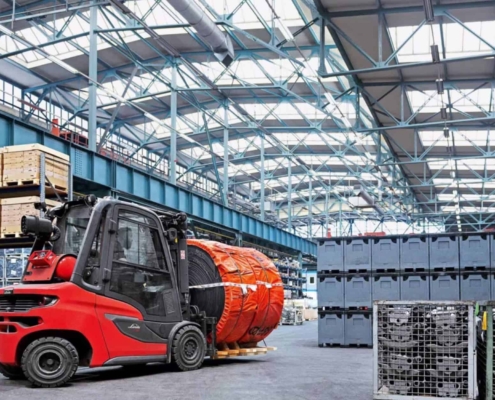 https://htxforklifts.com/wp-content/uploads/2025/04/linde-forklift-material-handling.jpg
1250
2000
Paul Cook
/wp-content/uploads/2025/02/htxloog.webp
Paul Cook2024-05-14 21:03:172026-02-06 08:35:06How Technology Is Enhancing Material Handling Safety
https://htxforklifts.com/wp-content/uploads/2025/04/linde-forklift-material-handling.jpg
1250
2000
Paul Cook
/wp-content/uploads/2025/02/htxloog.webp
Paul Cook2024-05-14 21:03:172026-02-06 08:35:06How Technology Is Enhancing Material Handling Safety

 Everything You Need to Know About Warehouse Loading Docks